
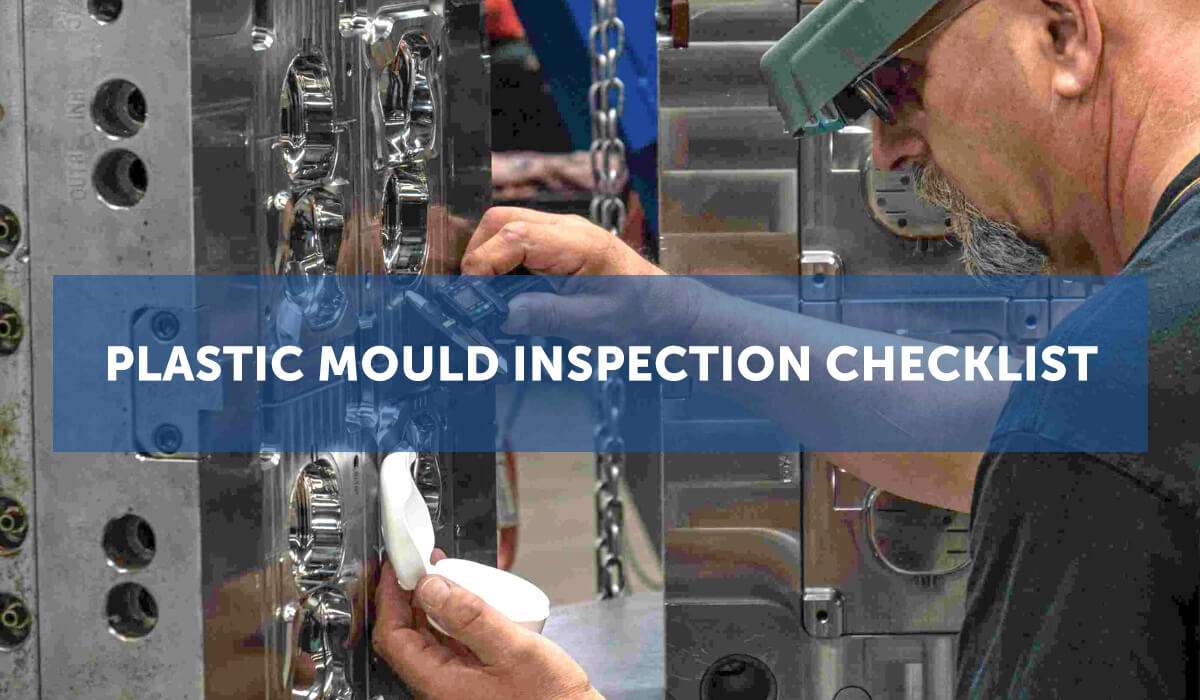
The need to retain high achievement standards in manufacturing in the plastic molding business cannot be overemphasized.
What will you learn?
This blog will discuss one of the most essential aspects of plastics manufacturing: Mould quality control. Let’s begin.
Pre-Inspection Preparation
Here’s what you need to do.
- Get the mold free from any debris or contaminants.
- Ensure the availability of the tools like gauges, calipers, and other measurement instruments.
- Review the mould design specifications and technical drawings to ensure alignment with production requirements.
- Confirm that the inspection area is well-lit and organized to provide easy access to the mold and inspection tools.
- Prepare a logbook or digital record for documenting inspection findings, maintenance history, and necessary repairs.
- Ensure that the relevant personnel, including mold maintenance engineers or operators, are available for inspection.
- Gather any previous inspection reports to compare the current condition of the mold with past assessments.
- Inspect the surrounding equipment and machines to ensure they function correctly for an efficient inspection process.
Plastic Mould Inspection Checklist: Step-by-Step Plastic Mould Inspection Process
A routine check of the plastic molds guarantees their performance, and any problems are rectified before they cause problems in the production line.
1. Initial Cleanliness Check
Ensure no dirt, dust, or other remnants of the previous runs remain on the mold. A clean mold is easier to inspect and helps in mass production.
An essential step in the process is to start with the visual study or evaluation of the mold. This involves physically examining the part for plain seal geometries to inspect for cracks, scratches, rust, or any sign of wear on the surface.
Minimizing surface defects in a mold contributes to better production outcomes, and maintaining a clean and well-engineered mold lowers production costs.
2. Visual Inspection
Do an initial inspection of the outside shell of the mold for detectable imperfections, including cracks, scratches, or rust. This is a very important process because even almost invisible defects may influence the quality of the result.
3. Component Check
Parts like the core, cavity, ejector pins, and even channels for cooling must be checked for proper functioning. A check mark should be made against any that may have been damaged or viewed as being worn out.
4. Dimensional Verification
Employing moderately accurate measuring tools, including calipers, compares the mould to those in the technical drawings and design specifications.
This is important for the mold to achieve accurate and precise dimensions and ultimately be used in manufacturing the products.
5. Mould Alignment Assessment
Check the relative position of the first and second halves of the mold to see whether they join properly. This includes improper filling, inadequate cooling, and the formation of different types of defects on the finished product.
This step is essential for consistent production. Mold halves must be aligned correctly to avoid molding problems such as uneven molding, flashes, and misaligned or incomplete parts.
Any misalignment could cause significant issues during the production or inspection.

6. Ejection System Functionality
Ensure that parts are ejected smoothly and in good condition. The ejector pins should move up and down, and the system should function properly. If the ejector system fails, you must wait a long time.
7. Cooling System Inspection
Check the passages of the cooling process for obstructions or any hint of leakage. This is to ensure proper cooling so that the product does not undergo extreme heat or deformation during the injection.
8. Operational Test Run
Perform a test injection cycle to check the mold’s overall performance in action. It helps produce metal components by revealing problems not seen at the initial stages, including cooling or ejection system issues.

9. Documentation of Findings
Record all inspection results, including any defects or maintenance requirements. Documenting the findings helps track mold performance over time and serves as a reference for future inspections and maintenance.
Importance of Plastic Mould Inspection
It remains an imperative practice in the manufacturing process as it helps determine the quality of the subsequent products. Finished products can be checked for defects, material fatigue, or dimension deviations, which otherwise could progress into a significant issue.
Inspection helps avoid customer complaints about products as it supports concerns about quality, which is crucial in meeting clients’ demands and maintaining a good company image. Besides, early identification and mitigation of such minor problems prevent further escalation that would lead to a waste of time.
Related reading:
Conclusion
A thorough plastic mold inspection is essential to maintaining quality. Regular mold inspections help maintain the consistency and reliability that customers expect, contributing to long-term success in the manufacturing process.
If you’re looking for expert mold inspection and high-quality mold solutions, Go4Mould offers comprehensive services that can help streamline your production and keep your molds in top condition.
Contact us today to learn more about how our services can support your manufacturing needs and ensure the best results.
